
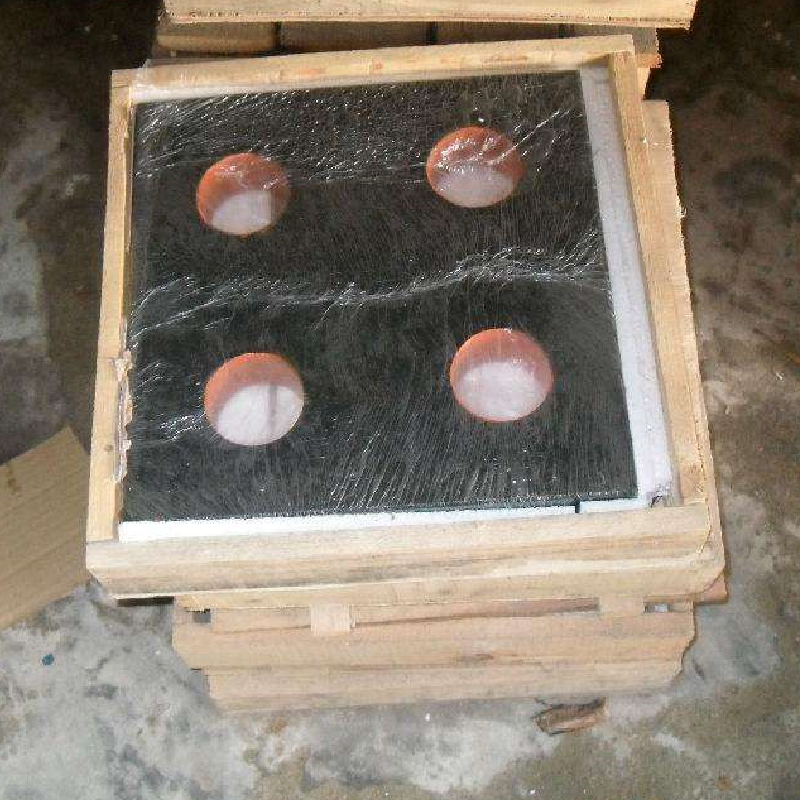
custom mirror panels
The Importance of Taper Ring Gauges in Precision Engineering In the realm of precision engineering, the significance of accurate measurements cannot be overstated. One indispensable tool used for this purpose is the taper ring gauge. Taper ring gauges are specialized instruments designed to measure the internal dimensions of circular items, particularly those that require a specific taper or angle for proper fitting. Their unique design and functionality make them essential in various industrial applications, from manufacturing to quality control. Understanding Taper Ring Gauges A taper ring gauge consists of a ring-shaped tool that has a tapered interior. The taper allows the gauge to fit into various sizes of holes, providing a reliable way to measure the internal diameter of a part. Typically, these gauges are made from high-strength materials such as tool steel or hardened alloys to withstand wear and tear during frequent use. The precision of the taper is critical, as it determines the gauge's ability to provide accurate readings. These gauges are often calibrated to specific angles, ensuring that they can measure a range of dimensions precisely. Generally, the taper is set at a standard angle, such as 120 or 150, which allows for measurement across different sizes effectively. The design enables engineers and machinists to check whether a component fits within the required tolerances, thus guaranteeing the quality and functionality of the finished product. Applications in Industry Taper ring gauges find their primary applications in manufacturing sectors that require tight tolerances and high precision. Industries such as automotive, aerospace, and electronics depend on these tools to confirm that components will fit correctly and function as intended. For instance, in the automotive industry, the precise fitting of parts like shafts and bearings is crucial to ensuring the longevity and performance of vehicles. Any deviation from specifications can lead to mechanical failures, safety hazards, and costly recalls. taper ring gauge Additionally, taper ring gauges are also employed in the inspection phases of production. Quality control teams use these gauges to verify that the machining processes are accurate and adhere to design specifications. This helps in maintaining a high level of quality in products, ultimately enhancing customer satisfaction. Advantages of Using Taper Ring Gauges The use of taper ring gauges comes with numerous advantages. Firstly, they offer high accuracy, which is essential in industries where tolerances are critical. These gauges also allow for quick measurements, making them efficient tools for engineers and machinists who have to work with numerous components daily. Moreover, taper ring gauges are relatively easy to use. They require minimal training, enabling even novice operators to measure components accurately. Their robustness and durability mean they can withstand the rigorous demands of industrial environments, making them a cost-effective investment for companies. Conclusion In summary, taper ring gauges play a vital role in precision engineering and manufacturing. Their ability to provide accurate measurements of internal dimensions ensures that components fit together correctly, which is crucial for the functionality and safety of various applications. As industries continue to demand higher levels of precision, the importance of taper ring gauges will only grow. By maintaining rigorous quality standards and investing in reliable measuring tools, manufacturers can ensure that their products meet the highest levels of excellence. Thus, taper ring gauges remain a cornerstone of quality control and precision measurement in modern engineering practices.
about
custom mirror panels
Understanding Hole Gauges Precision Measuring Tools in Manufacturing Hole gauges, an integral part of the precision engineering and manufacturing world, play a crucial role in ensuring accuracy and consistency in various industrial processes. These specialized tools are designed to measure the diameter of holes, providing engineers and technicians with vital data for quality control and process optimization. A hole gauge, also known as a ring gauge, is essentially a cylindrical tool with an inner diameter that corresponds to the nominal size of the hole being measured. It functions by sliding over the hole; if it fits snugly, the hole's diameter is within acceptable limits. This simple yet effective mechanism ensures that components meet the strict tolerances required in industries such as aerospace, automotive, and machinery manufacturing. There are two primary types of hole gauges go gauges and no-go gauges. A 'go' gauge is used to verify if the hole is within the lower limit of the tolerance zone, while a 'no-go' gauge checks if it exceeds the upper limit. If the 'go' gauge fits through but the 'no-go' gauge doesn't, the hole diameter is considered acceptable. The precision of hole gauges lies in their manufacturing process. They are typically made from high-strength materials like stainless steel or carbon steel, hardened and ground to achieve exceptional dimensional stability and wear resistance. The tolerance on these gauges is often in the micrometer range, highlighting their importance in maintaining stringent standards The tolerance on these gauges is often in the micrometer range, highlighting their importance in maintaining stringent standards The tolerance on these gauges is often in the micrometer range, highlighting their importance in maintaining stringent standards The tolerance on these gauges is often in the micrometer range, highlighting their importance in maintaining stringent standards hole gauges . Hole gauges also come in different configurations. Plain hole gauges are used for simple cylindrical holes, while blind hole gauges are designed for measuring depths and diameters of blind holes. Specialized versions, like thread ring gauges, are used to check the quality of threads in a hole. The use of hole gauges extends beyond just checking dimensions. They are also instrumental in detecting inconsistencies, ovality, or deformation in holes, which could otherwise lead to assembly issues or failure of components. In this way, they serve as a preventive measure, saving time, resources, and potentially avoiding costly errors. In conclusion, hole gauges are indispensable tools in the realm of manufacturing and engineering. Their precision, durability, and versatility make them a staple in quality control processes. With ongoing advancements in materials and design, hole gauges continue to evolve, ensuring that the stringent demands of modern manufacturing are met with unwavering accuracy and reliability.
-

High quality industrial productsagement

High quality industrial products
View Details -

Meet the diverse needs of customers

Meet the diverse needs of customers
View Details -

Strict quality control

Strict quality control
View Details -

Top raw materials

Top raw materials
View Details -

Trusted supplier

Trusted supplier
View Details
Our application

news and information

Versatile 90 Degree Angle Tool for Precision Measurements and Layouts
The 90-degree angle ruler, also known as a right angle ruler, is an essential tool in various fields
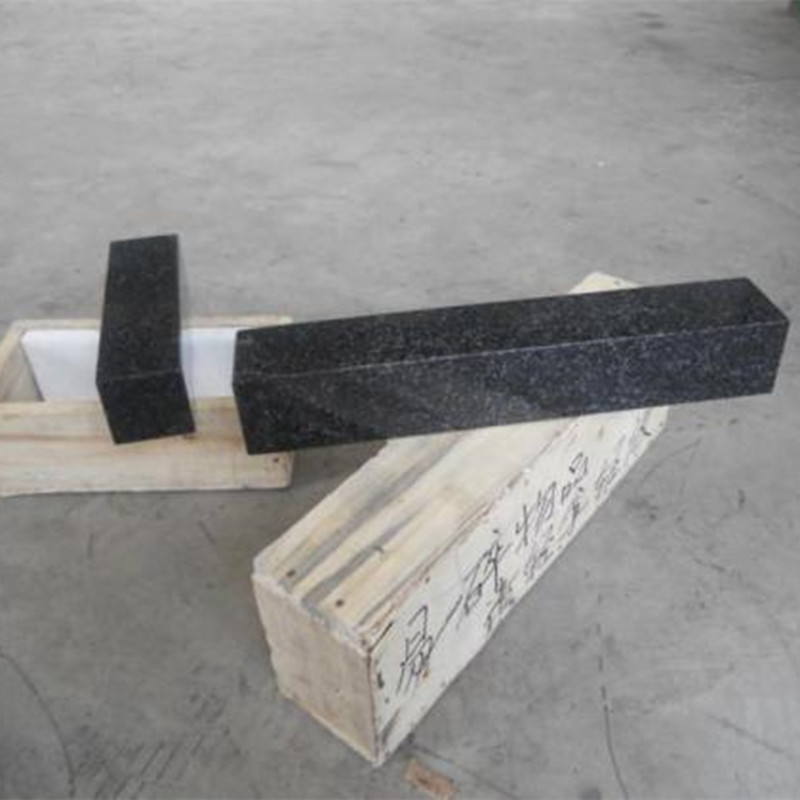
Versatile Metal Ruler for Precise Right Angle Measurements in DIY Projects
The Right Angle Metal Ruler A Crucial Tool for Precision and Accuracy In the realm of measurement an

valve manufacturer
Navigating the landscape of valve manufacturers can be a challenging endeavor, particularly when sea
 English